
When you’re evaluating a cinema camera, specifications and studio tests can only tell you so much. Color charts, controlled lighting, and laboratory comparisons are useful, but filmmakers ultimately need to know one thing: How does the camera perform when you take it out into the real world?
That was the goal behind our 4th of July weekend of testing the Canon C400 and C80 at Magnanimous Media.
Rather than keeping the cameras in a controlled studio environment, we put them through a variety of real-world shooting situations, including fireworks, downtown Chicago, slow-motion footage, a boxing studio, and a more traditional studio music video setup.
After several days of shooting, a few things stood out—particularly the cameras’ low-light performance, autofocus capabilities, cooling systems, recording formats, and suitability for one-person crews.
Testing the Canon C400 and C80 in the Real World
The first step was getting the cameras configured for a variety of shooting situations.
One of the advantages we quickly noticed was the flexibility of the power setup. Instead of needing to build a larger external battery system onto the back of the camera, the Core C98X Battery (BP-A) could be powered directly using D-Tap connections.
For a working production, details like this matter. The less equipment you have to add to a camera build, the easier it becomes to move between setups.
We also tested a Teradek wireless director’s and focus monitor. Compared with the monitoring systems commonly used on sets, the image quality and responsiveness were immediately impressive.
The cameras were configured with a wireless follow focus for scenarios that require precise focus pulling, while other B-roll was captured using Canon RF lenses and autofocus on the Canon C80.
Lens Options for the C400 and C80
We tested several different lenses throughout the weekend.
On the C80, we used the Canon RF 35mm F1.4 VCM, a lens that offers a combination of a fast aperture and a versatile focal length.
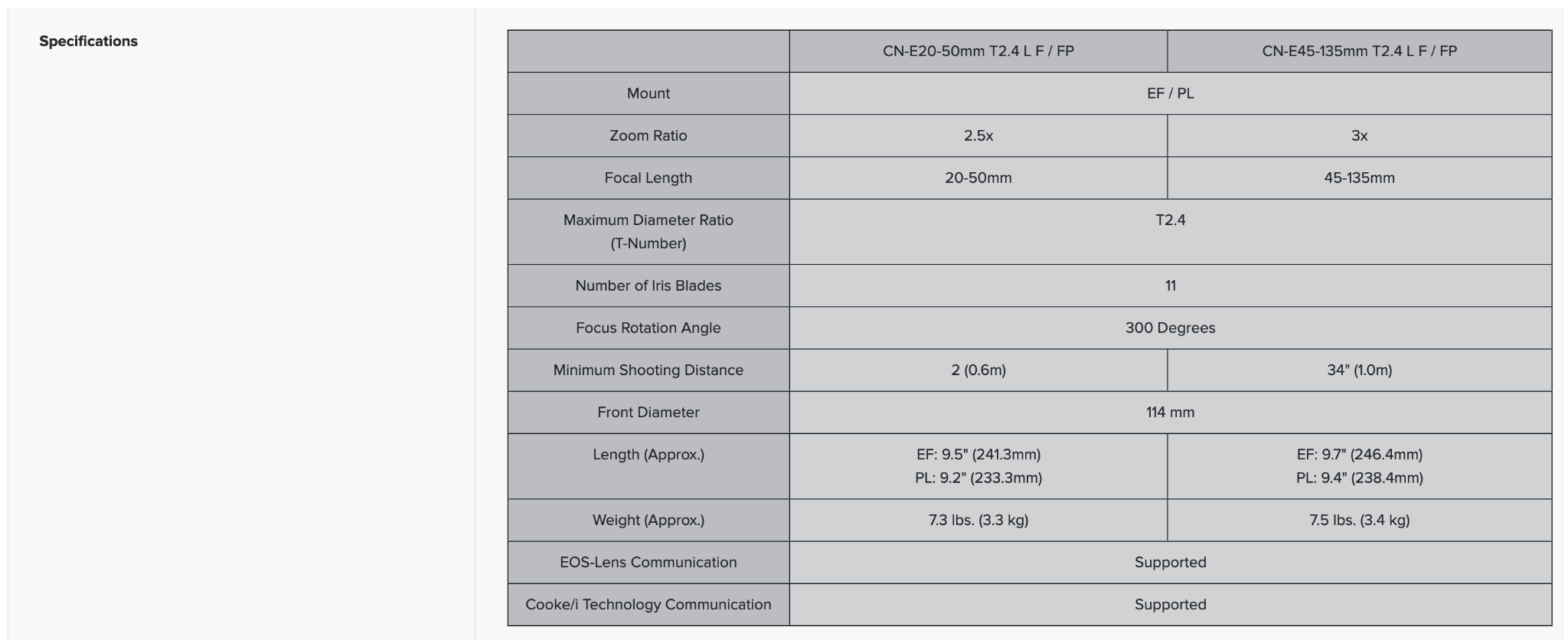
For the C400, we used larger zoom lenses, including the Canon CN-E 20-50mm T2.4 LF and Canon CN-E 45-135mm T2.4 LF Cinema Flex Zoom Lenses. Beautiful full frame zoom lenses that cover a large format sensor without issue. The 20-50mm provided a particularly useful range, while its parfocal design made it well suited for a stylistic zooming shot.
We also tested crash zooms using a focus/zoom control.
Although these lenses are physically substantial, they weren’t as heavy as their size might suggest. They are certainly larger than what many solo operators might normally carry, but they remain manageable compared with some of the larger cinema zooms used on high-end cinema cameras.
Low-Light Performance and Triple-Base ISO
One of the first major tests for the cameras came at night while shooting fireworks.
This provided an excellent opportunity to test the cameras’ triple-base ISO capabilities in a real-world environment.
The low-light performance was one of the most impressive aspects of the test.
Rather than simply evaluating noise levels in a controlled environment, we were able to see how much usable information the cameras could capture in an actual nighttime setting.
One particularly impressive example was the ability to see reflections on the water behind boats in a very low-light environment.
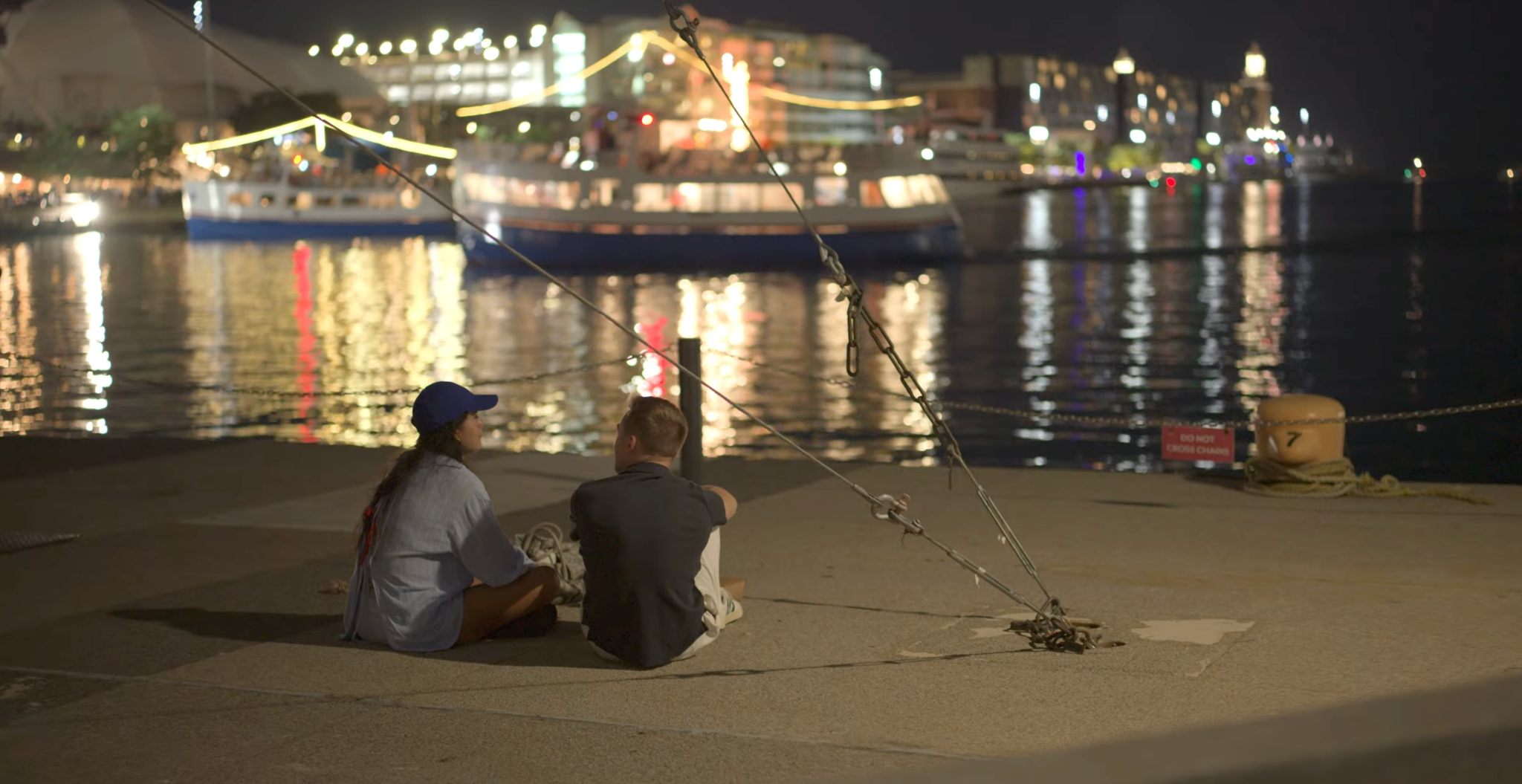
For filmmakers shooting events, concerts, weddings, documentary work, or other situations where lighting isn’t always under their control, this kind of low-light capability can be extremely valuable.
RAW vs. XAVC: What Format Should You Shoot?
One of the biggest practical discoveries during the test had less to do with image quality and more to do with workflow.
The Canon RAW recording options produced excellent images, but they were significantly more demanding during post-production.
The footage was being edited on a MacBook, and the RAW, RAW Light, and RAW LT files placed considerably more strain on the computer. When shooting RAW workflow and storage requirements are always a major consideration.
The C80 footage, by comparison, was much easier to work with. The C400 RAW footage caused the editing computer to become noticeably overwhelmed.
That led to an important realization: you don’t necessarily need to shoot RAW for every project.
When shooting in a controlled studio environment where the lighting is carefully managed and the footage will receive extensive color grading, RAW can provide additional flexibility.
But when you’re walking around downtown, shooting an event, or working in a run-and-gun environment, the benefits may not outweigh the increased demands on your editing system.
Switching to the camera’s XAVC recording format still produced an excellent image.
There is a tradeoff.
When you push an image extremely hard in post-production, RAW provides more flexibility, particularly in the highlights and shadows. You may lose some of that additional detail when working with a more compressed recording format.
But for many productions, RAW simply isn’t necessary.
120fps Slow Motion With Continuous Autofocus
Another major advantage of the C400 and C80 system became apparent when we moved into slow-motion shooting.
The cameras can use continuous autofocus while recording at 120 frames per second.
That’s a significant feature for filmmakers who need to capture fast-moving subjects without having a dedicated focus puller.
The autofocus wasn’t simply a feature that technically worked—it was highly-effective in the real-world shooting situations we tested.
For sports, events, action sequences, weddings, and documentary work, being able to combine high-frame-rate recording with continuous autofocus can make it much easier for a single operator to capture the shot.
Testing the Cooling System in Chicago Summer Heat
The cameras were also tested during a particularly hot and humid Fourth of July weekend in Chicago.
That created another useful real-world test: heat management.
The C400 and C80 feature substantial cooling vents designed to help manage the heat generated during operation.
After shooting throughout the day in hot and humid conditions, there was no concern about the cameras overheating.
For productions that require long recording times or are taking place outdoors in warm conditions, reliable thermal management is an important consideration.
The last thing an operator wants to worry about during an event is whether the camera will shut down because of heat.
Knocking out Shots with the C400
The final major test took place in a boxing studio.
This was a particularly useful scenario because it represented a situation where things weren’t necessarily going to be perfectly controlled.
Instead of having a dedicated focus puller, the camera operator was pulling focus manually by hand.
This provided a good test of how practical the C400 is when you’re working with a minimal crew.
The results were encouraging.
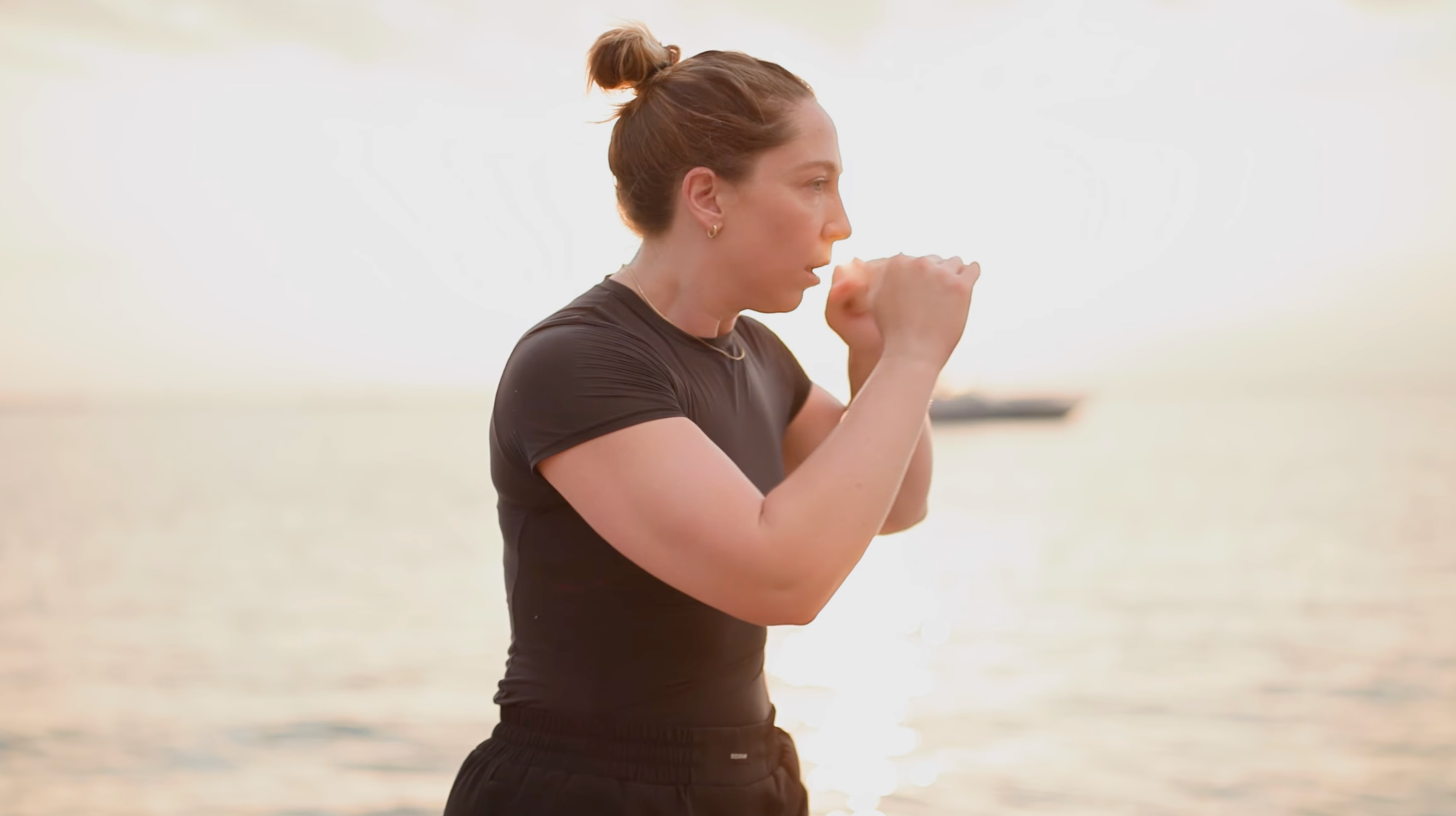
Even when stripped down to a relatively simple setup, the camera remained highly functional. The controls and options needed during production were accessible without constantly having to stop and change the camera configuration.
Is the Canon C400 a Good Camera for a One-Person Crew?
One of the biggest takeaways from the weekend was how well the C400 can function as a one-operator camera.
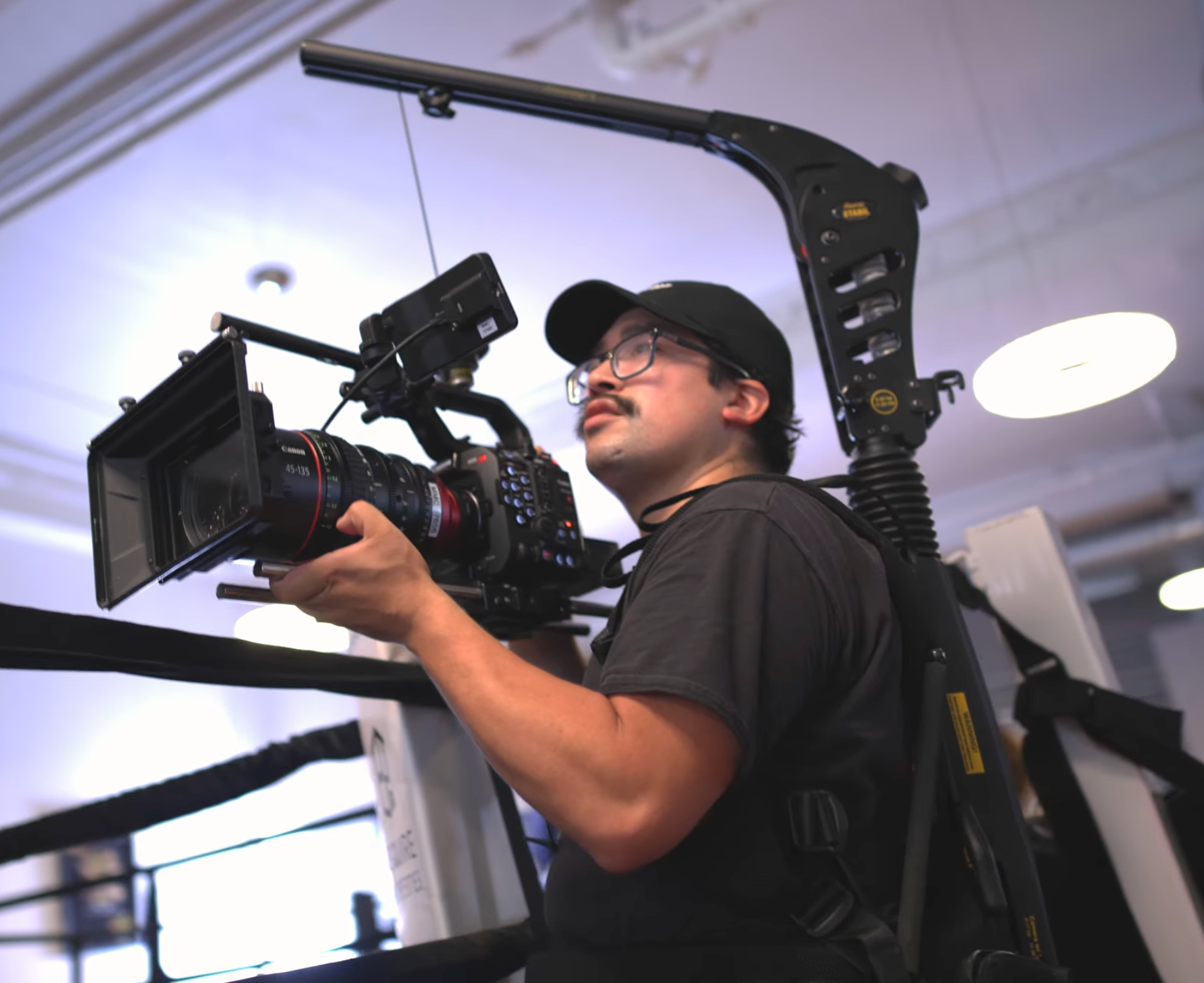
A camera can have incredible specifications, but that doesn’t necessarily make it practical for a solo filmmaker.
In this case, the C400 offered the combination of features needed to go out and shoot without requiring a large crew or complicated setup.
Autofocus can handle situations where a dedicated focus puller isn’t available. The camera’s recording options provide flexibility depending on the production and post-production workflow. And the cooling system helps provide confidence during long shooting days.
For event shooters, wedding filmmakers, corporate videographers, documentary filmmakers, and other production professionals, those practical considerations may be more important than simply having the highest possible image specifications.
The Biggest Takeaway: Every Camera Has Compromises
After several days with the C400 and C80, the biggest takeaway wasn’t that these cameras were perfect.
No camera is.
Even high-end cameras such as ARRI Alexa or RED systems come with their own advantages and limitations. The important question is whether a camera’s particular compromises make sense for the type of work you’re doing.
The Canon C400 and C80 aren’t designed to provide absolutely everything every filmmaker could ever want.
Instead, their strengths make them particularly compelling for certain types of production.
The RAW recording formats offer tremendous image flexibility, but they can be demanding on editing systems.
The XAVC recording options, on the other hand, offer a much more manageable workflow while still producing an excellent image.
The autofocus is particularly useful for solo operators and fast-moving subjects, while the ability to record 120fps with continuous autofocus opens up additional creative possibilities.
And the cameras’ cooling systems provide confidence when shooting for extended periods in challenging conditions.
Who Are the Canon C400 and C80 Best For?
Based on this real-world test, these cameras are particularly well suited for filmmakers who need high-quality images without an overly complicated production setup.
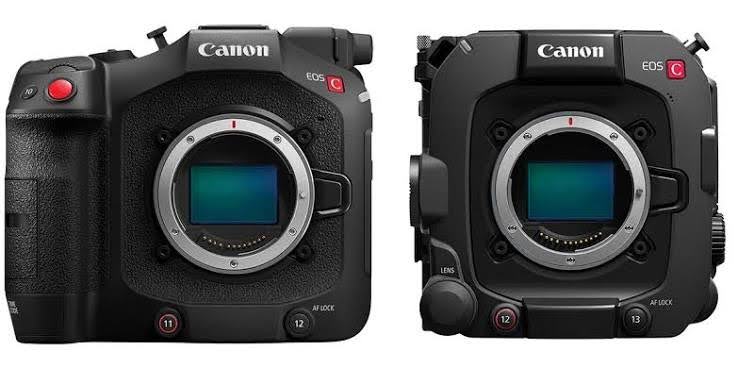
They make a lot of sense for:
- Event videographers
- Wedding filmmakers
- Corporate video producers
- Documentary filmmakers
- Sports and action shooters
- One-person production crews
- Run-and-gun filmmakers
- Commercial productions
- Filmmakers who need reliable autofocus
- Productions where long recording times are important
For these types of shooters, the ability to work quickly and efficiently can be more valuable than having every possible high-end feature.
Paul Hawxhurst – Senior Technical Specialist and Dirk Fletcher Sr. Technical Specialists dropped some serious knowledge about the Canon C400 and Canon C80 at our Canon Roadshow Event. Watch Paul as he breaks down all of the great features and functions of these two new top-line Canon Camera offerings.
Final Thoughts
After putting the Canon C400 and C80 through several days of real-world shooting, the cameras left a strong impression.
The low-light performance was impressive. The continuous autofocus was genuinely useful, even at 120fps. The cooling system provided confidence during long days in hot and humid conditions. And the cameras were capable of functioning effectively even when operated by a single person.
Perhaps most importantly, the test demonstrated that you don’t always need to shoot RAW to get an excellent image.
RAW has its place, particularly when you’re working in a controlled environment and need maximum flexibility in post-production. But for events, weddings, documentary work, and run-and-gun production, XAVC can provide an excellent balance between image quality and workflow efficiency.
Ultimately, the C400 and C80 aren’t about eliminating compromises. They’re about making the right compromises for the kind of filmmaking you’re doing.
And for event shooters, wedding filmmakers, videographers, and solo operators, those compromises can make these cameras exceptionally practical production tools.
Rent the Canon C400 and Canon C80 to put them for the test on your next production at MagRents.com.
